Pune’s interior design landscape is evolving rapidly as modern lifestyles demand smarter, more stylish, and more functional living spaces. With premium housing projects rising across the city, homeowners are focusing on interiors that blend luxury with practicality. In 2026, design is all about personalization, sustainability, and intelligent living.
One of the biggest trends is warm minimalism. Instead of cold white interiors, homeowners are choosing neutral tones, soft textures, and wooden finishes. This style creates calm, clutter-free spaces that feel welcoming and elegant. Warm lighting, textured fabrics, and subtle décor elements add personality without overwhelming the room.
Smart homes are also becoming standard. Automated lighting, smart curtains, voice-controlled appliances, and energy-efficient systems are transforming interiors into intelligent living spaces. These technologies improve comfort while maintaining sleek aesthetics. Hidden wiring and clean layouts ensure that technology enhances design instead of distracting from it.
Sustainability is another major trend. Clients are increasingly choosing eco-friendly materials like recycled wood, low-VOC paints, and energy-efficient lighting. Designers are focusing on long-lasting materials that reduce environmental impact while maintaining a premium finish. Sustainable interiors are both stylish and responsible.
Multifunctional spaces are gaining importance as remote work becomes permanent for many professionals. Homes now need flexible layouts where living rooms double as workspaces and guest rooms become offices. Foldable furniture, modular storage, and smart partitions help maximize space efficiently.
Statement lighting is redefining interiors. Unique chandeliers, pendant lights, LED strips, and layered lighting designs add drama and elegance to homes. Lighting is no longer just functional—it is an essential design feature that sets mood and ambiance.
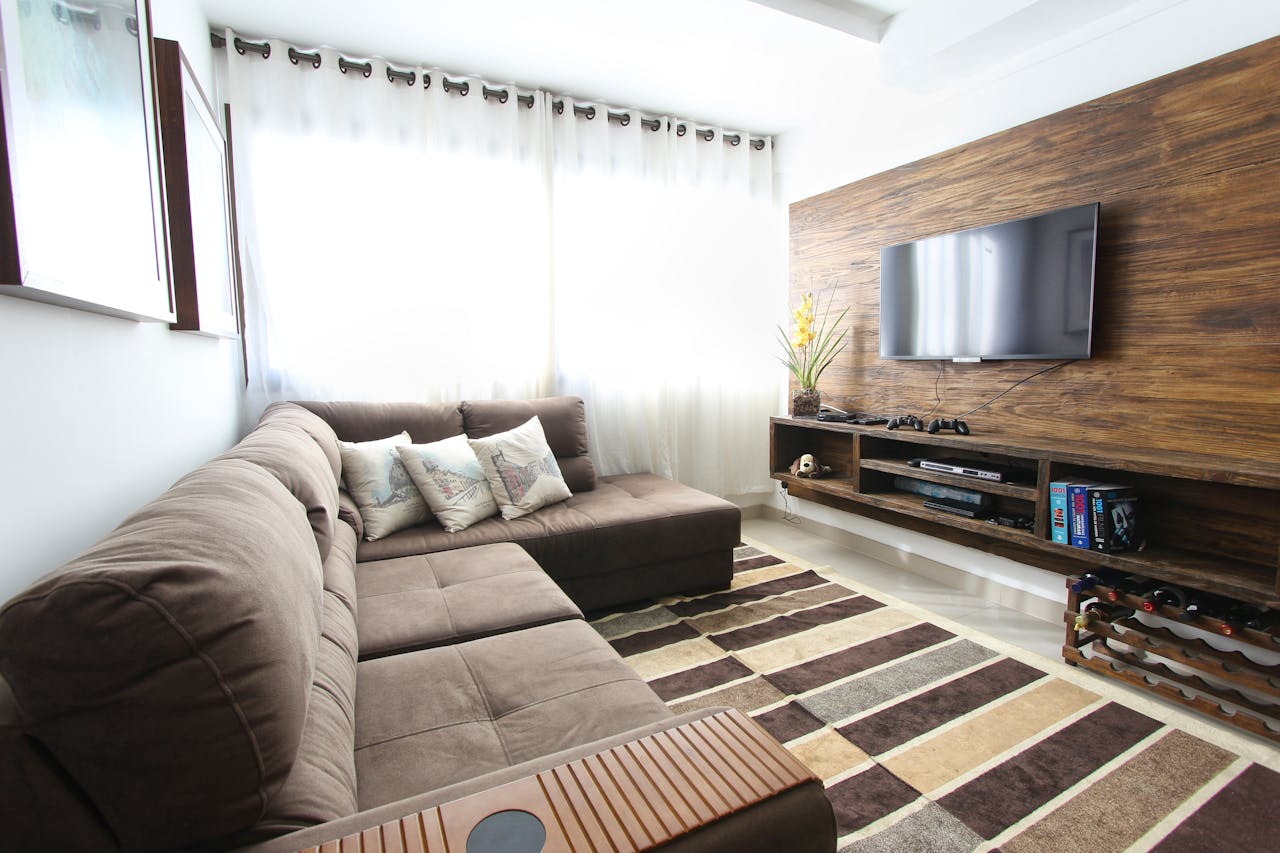
Textured walls are replacing plain paint. Wooden panels, fluted designs, wallpapers, and marble finishes are being used to create feature walls in living rooms and bedrooms. These elements add depth and luxury to interiors.
Earthy color palettes are trending in 2026. Shades like olive green, terracotta, muted blues, and sandy beige bring warmth and harmony into homes. These tones pair beautifully with wooden finishes and metallic accents.
Customization is also key. Bespoke furniture ensures that every inch of space is used effectively while matching the homeowner’s style. Custom wardrobes, modular kitchens, and entertainment units create a cohesive look.
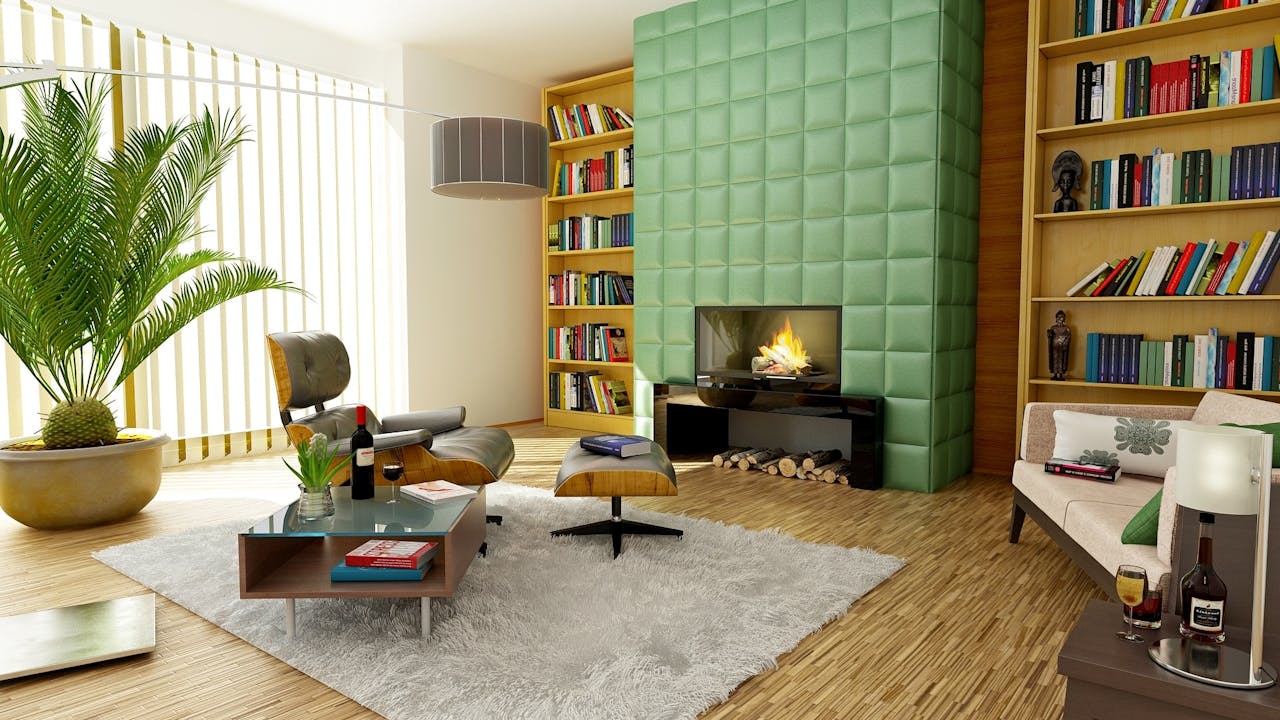
Biophilic design is another growing preference. Indoor plants, natural light, and organic textures create healthier and more peaceful living environments. Homes are being designed to connect residents with nature.
Interior design in 2026 is about balance—luxury with sustainability, technology with warmth, and style with comfort. With the right planning and expert guidance, you can transform your home into a timeless masterpiece.
One of the biggest trends is warm minimalism. Instead of cold white interiors, homeowners are choosing neutral tones, soft textures, and wooden finishes. This style creates calm, clutter-free spaces that feel welcoming and elegant. Warm lighting, textured fabrics, and subtle décor elements add personality without overwhelming the room.
Smart homes are also becoming standard. Automated lighting, smart curtains, voice-controlled appliances, and energy-efficient systems are transforming interiors into intelligent living spaces. These technologies improve comfort while maintaining sleek aesthetics. Hidden wiring and clean layouts ensure that technology enhances design instead of distracting from it.
Sustainability is another major trend. Clients are increasingly choosing eco-friendly materials like recycled wood, low-VOC paints, and energy-efficient lighting. Designers are focusing on long-lasting materials that reduce environmental impact while maintaining a premium finish. Sustainable interiors are both stylish and responsible.
Multifunctional spaces are gaining importance as remote work becomes permanent for many professionals. Homes now need flexible layouts where living rooms double as workspaces and guest rooms become offices. Foldable furniture, modular storage, and smart partitions help maximize space efficiently.
Statement lighting is redefining interiors. Unique chandeliers, pendant lights, LED strips, and layered lighting designs add drama and elegance to homes. Lighting is no longer just functional—it is an essential design feature that sets mood and ambiance.
Textured walls are replacing plain paint. Wooden panels, fluted designs, wallpapers, and marble finishes are being used to create feature walls in living rooms and bedrooms. These elements add depth and luxury to interiors.
Earthy color palettes are trending in 2026. Shades like olive green, terracotta, muted blues, and sandy beige bring warmth and harmony into homes. These tones pair beautifully with wooden finishes and metallic accents.
Customization is also key. Bespoke furniture ensures that every inch of space is used effectively while matching the homeowner’s style. Custom wardrobes, modular kitchens, and entertainment units create a cohesive look.
Biophilic design is another growing preference. Indoor plants, natural light, and organic textures create healthier and more peaceful living environments. Homes are being designed to connect residents with nature.
Interior design in 2026 is about balance—luxury with sustainability, technology with warmth, and style with comfort. With the right planning and expert guidance, you can transform your home into a timeless masterpiece.
Spread the vision:
#Architecture#Lifestyle#Interiors